Carpenter ants are one of the most frustrating pests in the Florida Keys. Because of our tropical climate, they can quickly establish large colonies inside homes, decks, and wooden structures. Williams Pest Control has developed treatment methods specifically for the unique challenges of the Keys, helping homeowners eliminate carpenter ant infestations when other treatments have failed.
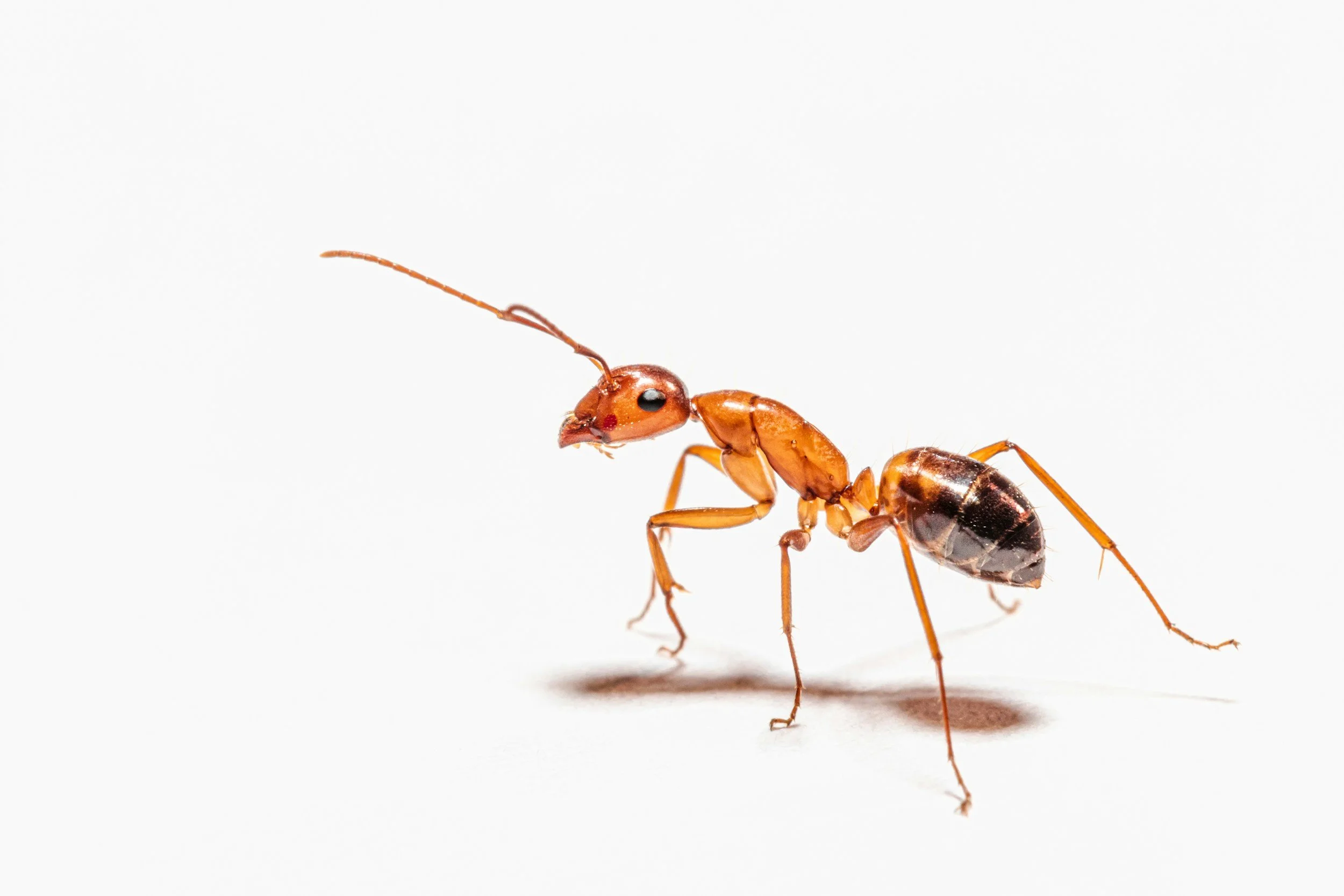
Carpenter Ants
Why Carpenter Ants Are So Difficult in the Florida Keys?
🌴 The tropical climate makes colonies active year-round.
🌞 Traditional baiting often performs poorly in extreme heat and humidity.
🏝️ Multiple colonies can exist on the same property.
🏠 Successful control usually requires locating activity and treating the structure—not just placing bait.
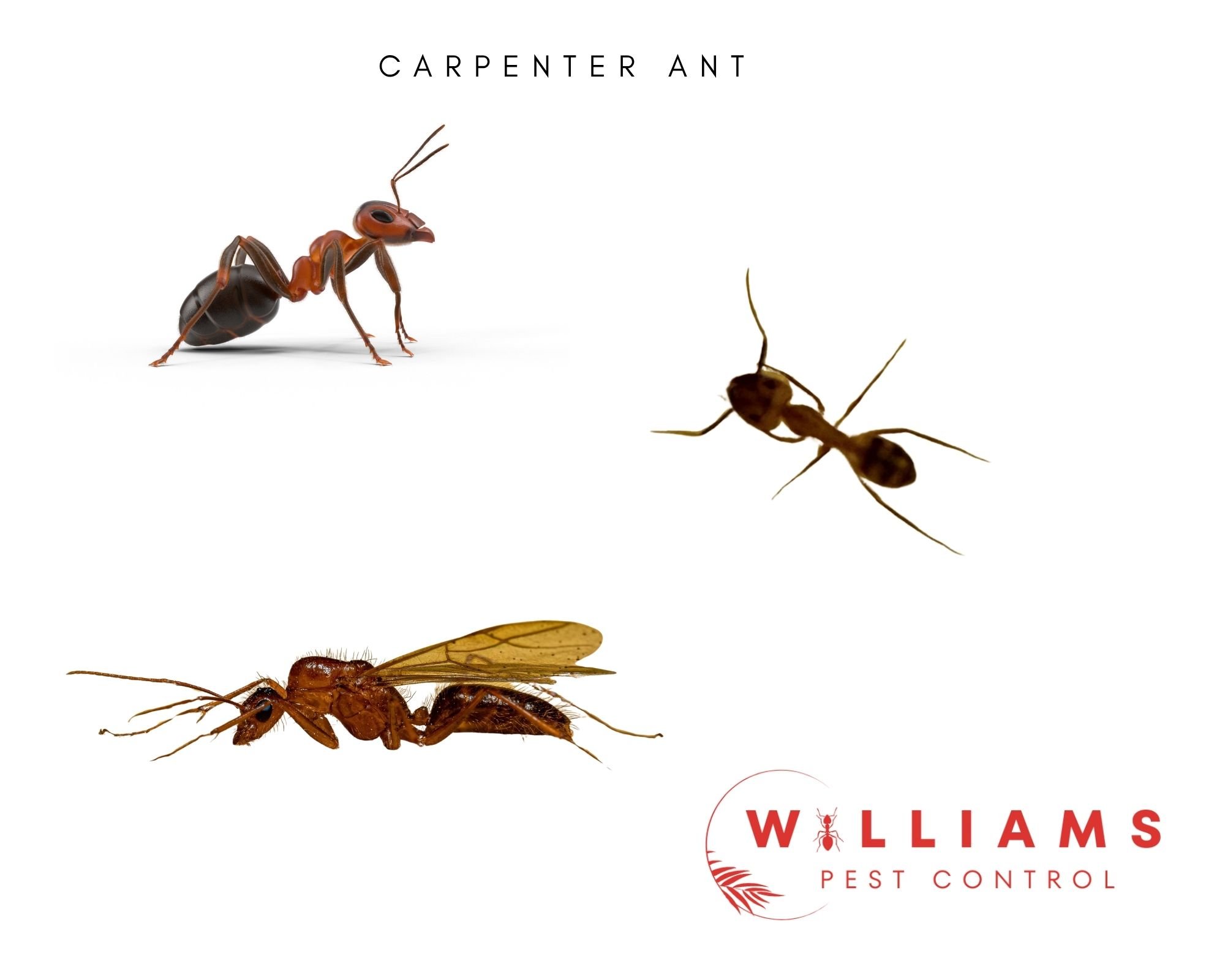
● Size: ¼–½ inch
● Color: Black, reddish-black, or dark brown
● Signs: Large ants, rustling sounds in walls, winged ants during swarming season
● Frass: Fine sawdust-like material beneath nesting area
How to Identify Carpenter Ants?
⚠️ Signs You May Have Carpenter Ants
You may have a carpenter ant infestation if you notice:
✅ Large black or reddish ants inside your home
✅ Small piles of sawdust-like frass
✅ Winged ants during the spring or summer
✅ Rustling noises inside walls or ceilings
✅ Ant trails leading to decks, porches, or rooflines
The earlier carpenter ants are treated, the easier they are to eliminate before structural damage becomes more extensive.
Why Williams Pest Control?
Many of our carpenter ant customers come to us after trying other treatments without success. Our experience treating carpenter ants in the Florida Keys has taught us that successful control often requires more than traditional baiting. We tailor our treatment approach to the property’s construction, the level of activity, and the conditions unique to the Keys.
Frequently Asked Questions
-
No. Carpenter ants do not eat wood like termites. Instead, they excavate wood to create nesting galleries for their colonies. While they don't consume the wood, large or long-term infestation can still cause structural damage if left untreated.
-
Yes. Overtime, carpenter ants can weaken wood by tunneling through it to expand their nest. In the Florida Keys, they are commonly found in roof lines, wall, voids, porches, decks, docks, and areas where moisture has softened the wood. Early treatment helps prevent more extensive damage.
-
Carpenter ants often establish multiple satellite colonies, making them more challenging than many homeowners expect. In the Florida Keys, warm, human climate, traditional baiting alone may not be enough for established infestations. Successful control, typically requires locating active areas and applying the proper treatment for the property.
-
They can, but it's uncommon. Carpenter ants are not aggressive toward people, and usually by only if handled or disturbed. Their bites can be uncomfortable, but they are not considered medically dangerous.
-
Every infestation is different. Smaller infestations may be resolved quickly, while larger or well established colonies often require follow up treatments and monitoring.
-
Carpenter ants commonly enter homes by following tree branches, utility lines, fences or other instructors that connect to the building. They also are attracted to damp or a water damage wood where they can establish new nesting sites.
-
Carpenter ants are active throughout the year in the Florida Keys because of warm climate they are most commonly seen at night while forging for food, but seeing large numbers indoors during the day may indicate a well established infestation nearby.
-
Carpenter ants do not eat wood like termites. Instead, they feed on sugary foods and proteins. Inside homes, they’re commonly attracted to honey, syrup, fruit, soda, pet food, and other food scraps. Outdoors, carpenter ants primarily feed on insects, other arthropods, and the sweet honeydew produced by aphids. While they forage for food in and around your home, they return to their nests in wood, making it important to eliminate the colony rather than just the ants you see.
-
Many homeowners contact us after previous treatments haven't solved their carpenter ant problem. In our experience, successful carpenter ant control in the Florida Keys often requires a treatment strategy tailored to the properties construction in the local environment – not simply placing bait.