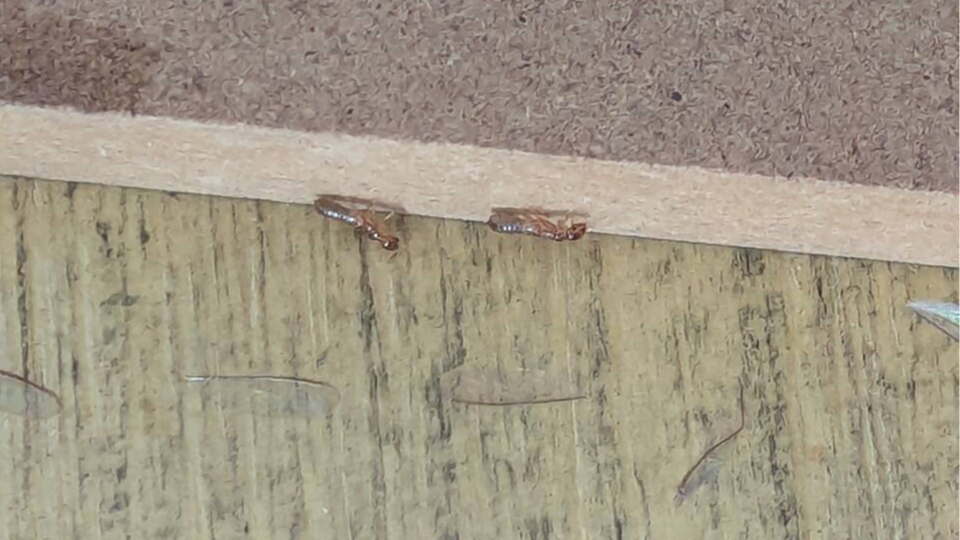
Drywood Termites in the Florida Keys
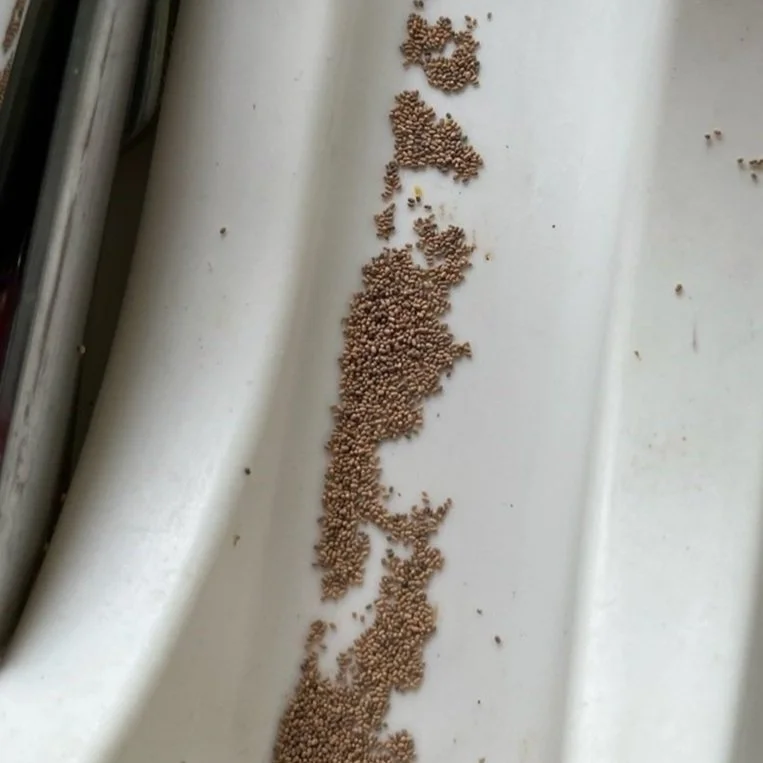
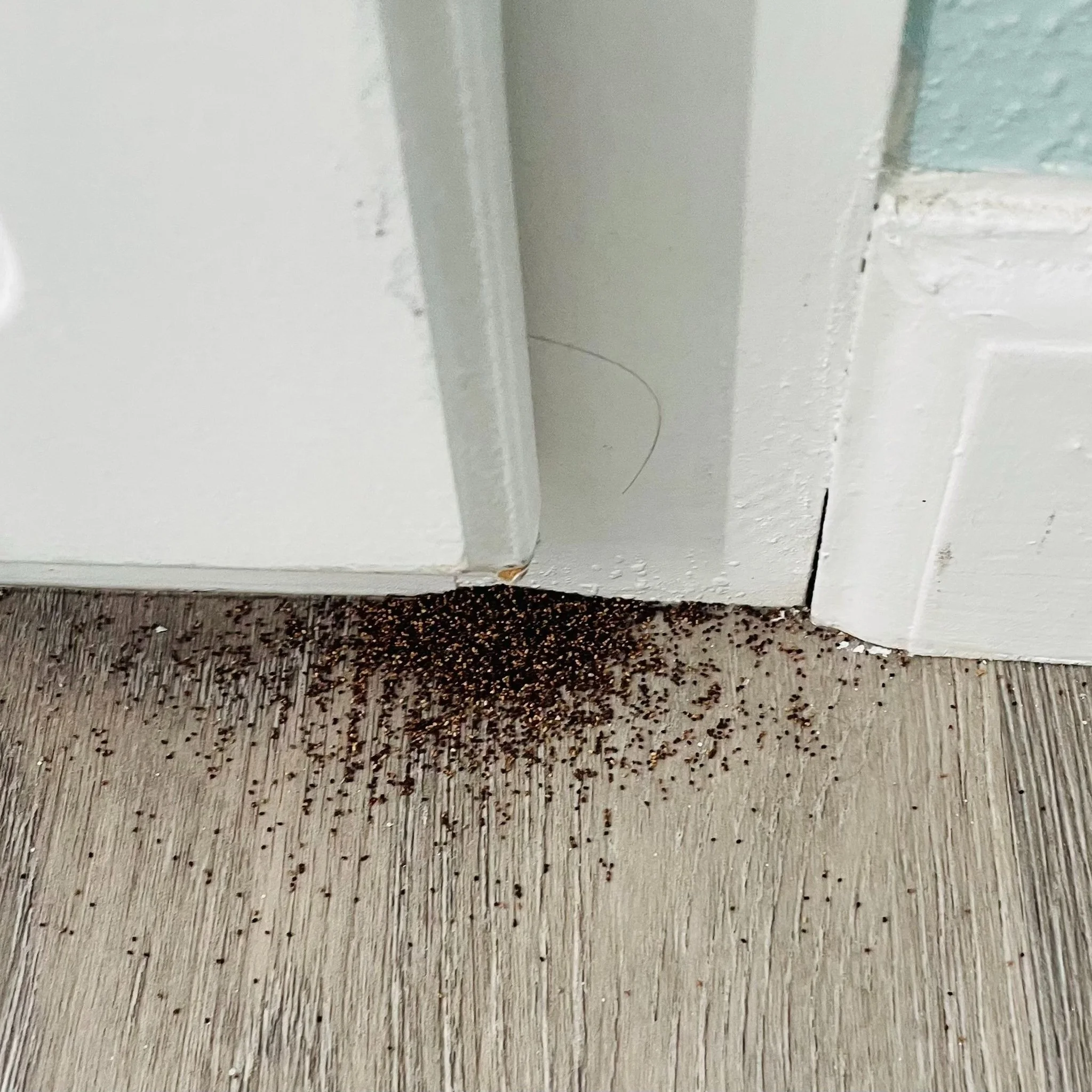
Customer photo of drywood termites
Real infestations. Local expertise. Spot treatments & swarm prevention.
Drywood termites live entirely inside dry wood, making them one of the most destructive pests in the Florida Keys. Because they stay hidden inside walls, framing, and wood trim, damage often goes unnoticed until it’s extensive. Professional treatment is the most effective way to eliminate the infestation and protect your property
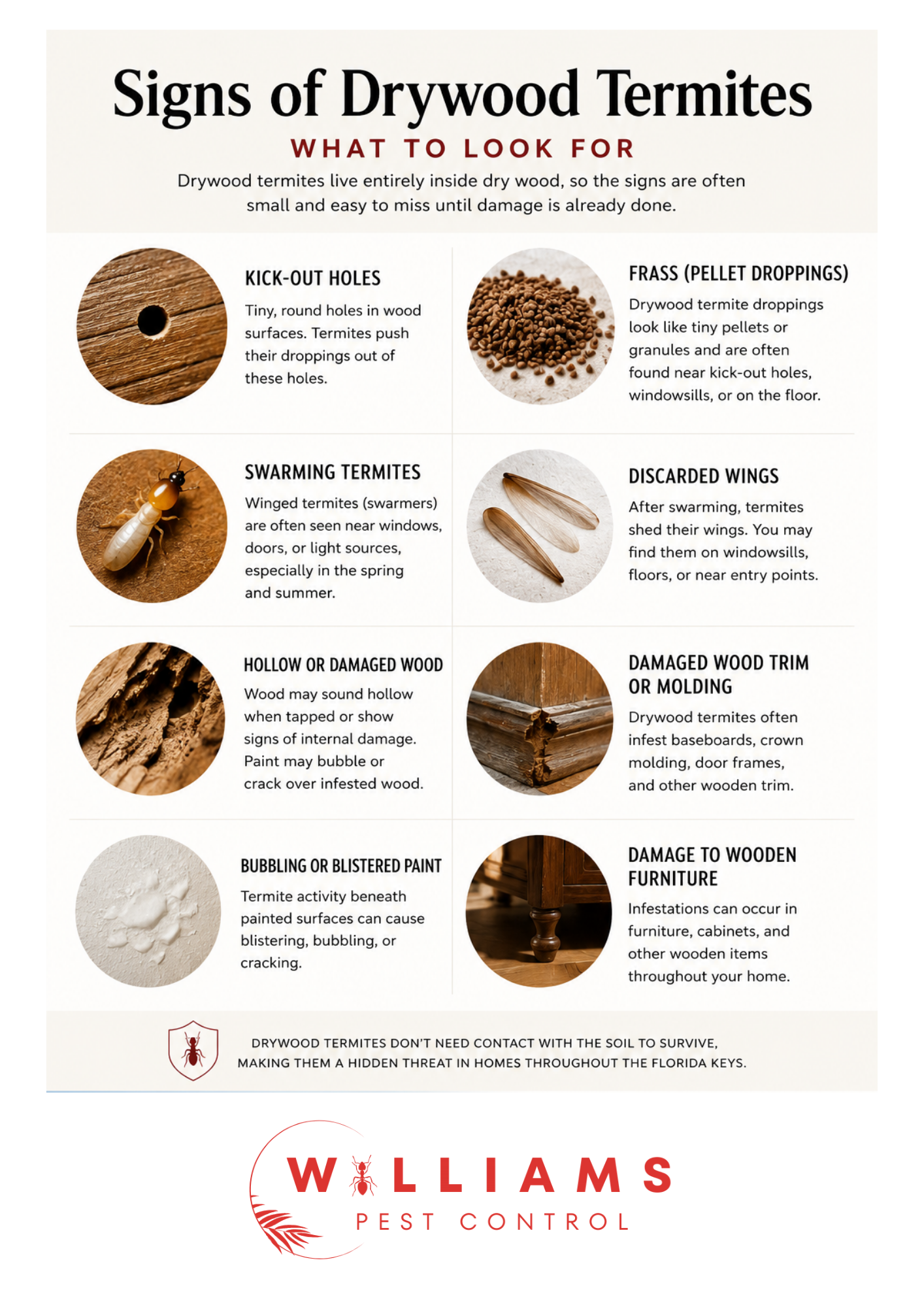
Signs of Drywood Termites
✔️ Kick-out holes
✔️ Frass (pellet droppings)
✔️ Swarming termites
✔️ Hollow sounding wood
✔️ Discarded wings
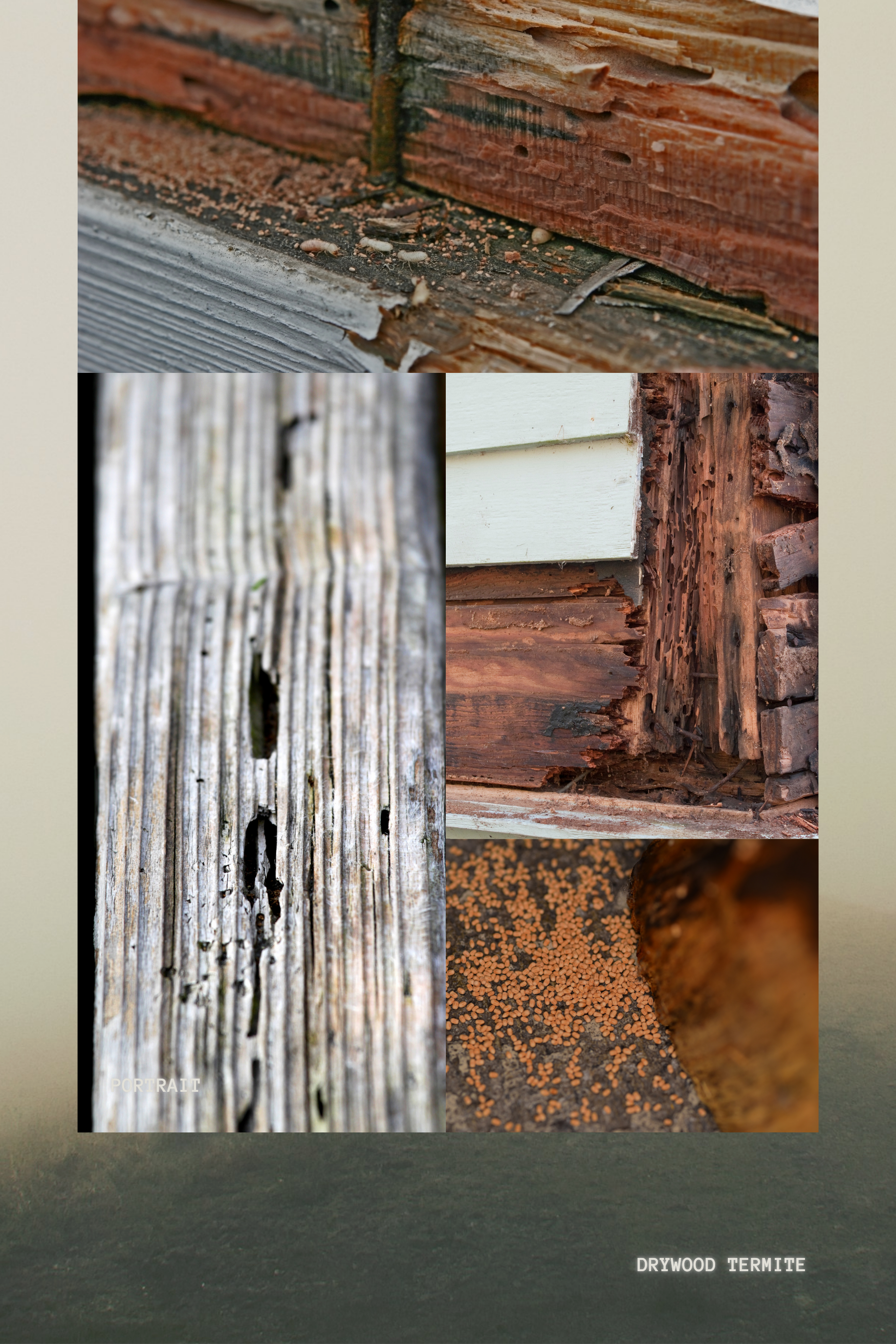
Real Signs of Drywood Termite Damage in the Florida Keys
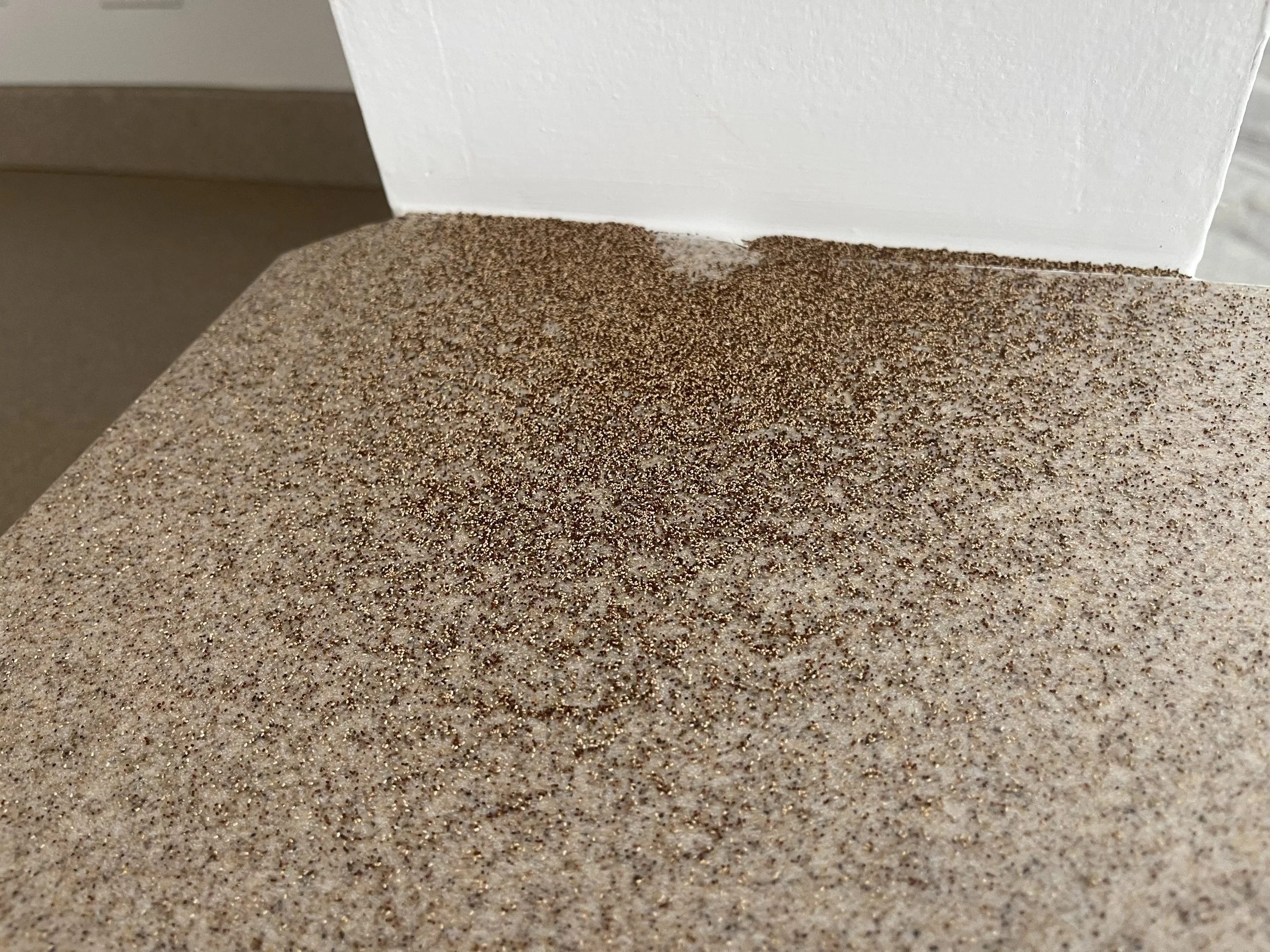
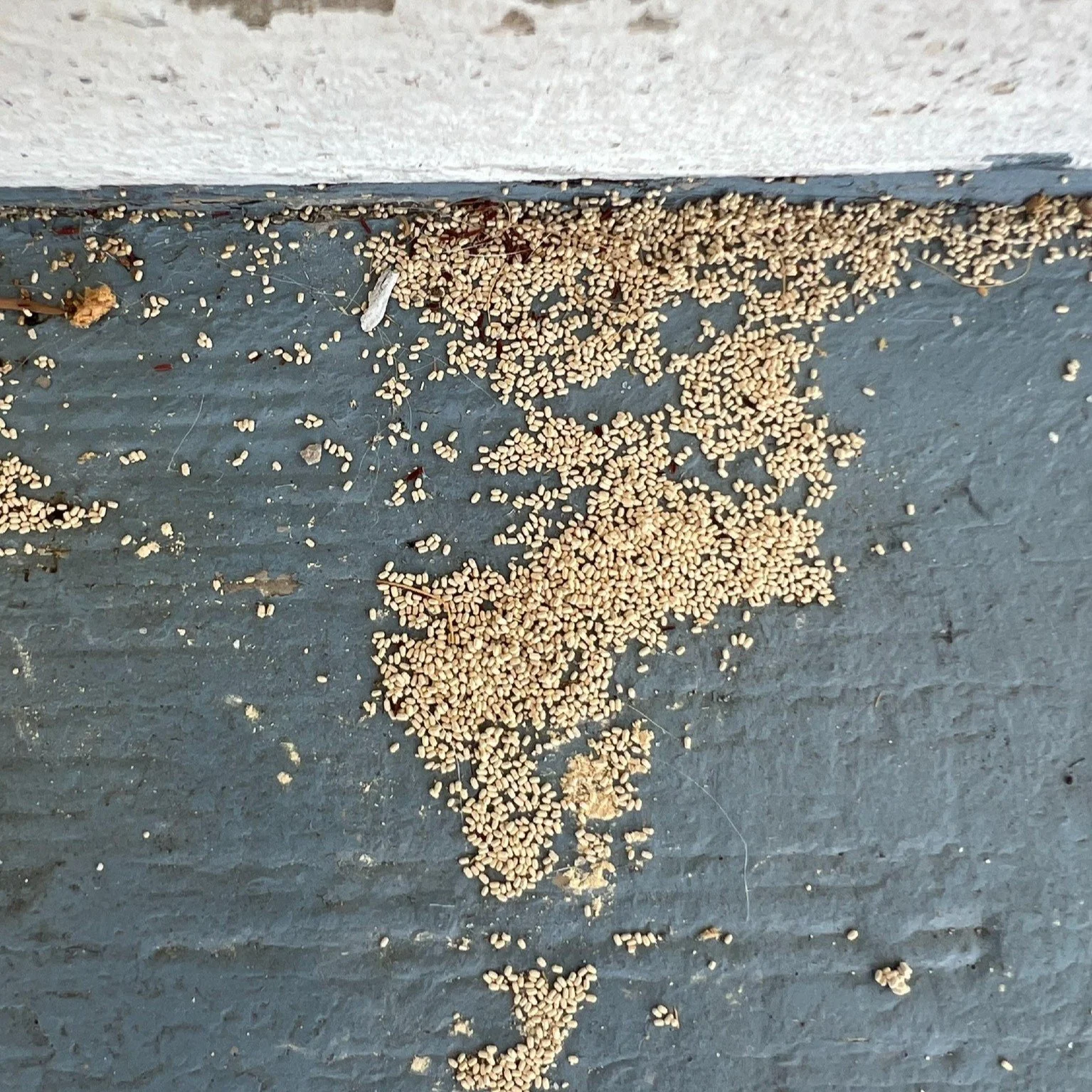
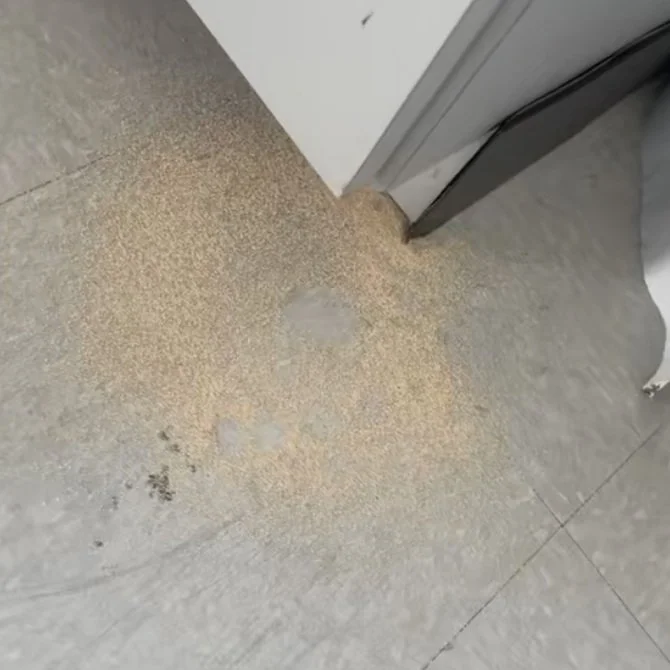
Drywood Termite Treatment
Drywood Termite Swarm Prevention Treatment
In the Florida Keys, drywood termites typically swarm during the spring and fall. During these swarming seasons, winged termites leave existing colonies in search of new places to establish colonies.
Our seasonal exterior treatment is designed to reduce the likelihood of termites successfully entering your home during these peak swarming periods.
⸻
We apply a thorough exterior crack-and-crevice treatment around areas where drywood termites are most likely to land and attempt to enter the structure. By treating these entry points before swarming activity peaks, we create a protective barrier that helps reduce the chance of new colonies becoming established.
✔ Helps reduce the risk of new drywood termite infestations
✔ Targets termites during peak swarming seasons
❌ Does not eliminate existing drywood termite colonies inside the home
❌ Does not guarantee complete prevention of future infestations
Environmental factors such as wind, rain, and structural design can influence how termites contact treated surfaces. While no exterior treatment can provide complete protection, seasonal preventative treatments can significantly reduce the likelihood of new drywood termite colonies becoming established.
Drywood Termite Spot Treatment
A drywood termite spot treatment is designed to eliminate localized drywood termite activity that has been identified through termite droppings (frass), kick-out holes, or other visible signs of infestation. During the treatment, our technician applies a specialized product directly into the areas where termite activity is present, allowing it to penetrate the galleries inside the wood and eliminate termites within the treated area.
Spot treatments are often a cost-effective alternative when termite activity appears limited to one specific location and a whole-structure fumigation is not necessary or desired.
Important to Know
Drywood termites can establish multiple colonies throughout a structure, and some infestations may remain hidden inside walls, ceilings, or other inaccessible areas. Because a spot treatment only targets the areas where active termites have been identified, it cannot confirm that additional hidden colonies are not present elsewhere in the home.
For this reason, drywood termite spot treatments are performed without a warranty or guarantee. If widespread activity is discovered or suspected, we may recommend a whole-structure fumigation instead.
⸻
A Spot Treatment May Be a Good Option If:
✅ Termite droppings (frass) are limited to one area.
✅ Active kick-out holes have been identified.
✅ The infestation appears localized.
✅ You prefer a targeted treatment instead of tenting.
✅ You understand that only the treated areas are addressed.
If you’ve noticed termite droppings, kick-out holes, or other signs of drywood termites, Williams Pest Control can inspect your home and recommend whether a spot treatment or whole-structure fumigation is the better solution.
Frequently Asked Questions
-
Whole-structure fumigation (tenting) is typically recommended when drywood termite activity is widespread, multiple areas of the home are infested, termites are located in inaccessible areas such as attics or enclosed walls, or swarming termites and termite droppings become a recurring problem throughout the home.
If activity is limited to one or two accessible areas, a spot treatment may be a more cost-effective option. During your inspection, we’ll explain the pros and cons of each treatment so you can make the best decision for your property.
-
Common signs include:
● Small piles of termite droppings (frass)
● Tiny kick-out holes in wood
● Swarming termites inside the home
● Discarded wings on windowsills or floors
● Soft or damaged wood
Many infestations remain hidden for years before they’re discovered.
-
No—not overnight.
Drywood termites work much more slowly than subterranean termites. While they can eventually cause significant damage if left untreated, infestations usually develop over several years. The sooner they’re identified, the easier and less expensive they are to manage.
-
Drywood termites often establish multiple hidden colonies throughout a structure.
During a spot treatment, we can only treat areas where termite activity has been identified through kick-out holes, frass, or visible damage. Because we cannot see inside every wall, ceiling, or piece of wood, additional hidden colonies may exist elsewhere in the home. For this reason, spot treatments are performed without a guarantee or warranty.
-
A properly performed spot treatment eliminates termites in the treated area. However, new colonies may develop elsewhere in the home over time, or hidden colonies may already exist in untreated areas. Regular inspections help catch new activity before it becomes a larger problem.
-
Over-the-counter products may kill termites near the surface but rarely eliminate an established colony hidden inside wood.
Professional treatment is usually the most effective way to reach active galleries and determine whether spot treatment or fumigation is appropriate.
-
Drywood termites typically swarm during the warmer months, with the heaviest activity often occurring during spring and fall.
Swarming termites don’t necessarily mean your home is severely infested.
-
No. Drywood termite droppings (called frass) are not known to spread disease. However, fresh piles of pellets indicate active termite activity nearby.
-
If we can accurately identify the location of the infestation, we may be able to drill and inject treatment into the affected area.
-
Not necessarily.
Every home is different. Some infestations can be successfully managed with localized spot treatments, while others require whole-structure fumigation. Our goal is to recommend the most practical and cost-effective solution based on the extent and location of the infestation.
-
Yes. As colonies mature, winged swarmers leave the original colony and can establish new colonies elsewhere in the same home or in nearby structures. This is why early treatment and routine inspections are important.
-
Not always. If you've found fresh termite droppings (frass), kick-out holes, or swarming termites, simply text us clear photos of what you're saying. In many cases, we can determine whether the activity appears to be consistent with drywood termites. If treatment is needed, will inspect the affected area and other areas of concern during your scheduled service visit.
Have you found drywood termite droppings (frass) or swarming termites?
If you've noticed fresh termite droppings (frass), kick-out holes, or swarming termites, text us a few clear photos. And many cases, we can determine whether the activity appears to be consistent with dry wood termites before scheduling a visit.